Quick answer
When comparing eco resorts in Sri Lanka, luxury properties like Jetwing Vil Uyana, Santani, and Aarunya cost US$400+ per night for spa suites and curated dining. Authentic mud-house eco resorts like Bathle Eco Resort (€30–170/night) offer traditional clay, timber, and thatch cabanas, natural cooling without A/C, and direct village immersion at a fraction of the price.
Travelers searching for eco resorts in Sri Lanka quickly notice a dramatic split in the market. On one side sit world-renowned architectural retreats charging US$400 to US$700 per night. On the other sit small, locally owned mud-house lodges tucked into forest villages for under US$150.
Both models can be genuinely sustainable—but they deliver completely different travel experiences. Here is an honest breakdown to help you decide which belongs on your itinerary.
Side-by-Side Comparison: Luxury Eco Resorts vs. Mud-House Eco Stays
| Feature | Luxury Eco Resorts (e.g., Santani, Aarunya, Vil Uyana) | Authentic Mud-House Eco Resorts (e.g., Bathle Eco Resort) |
|---|---|---|
| Nightly Rate | US$400–700+ ($$$$) | €30–170 / ~US$35–185 ($–$$) |
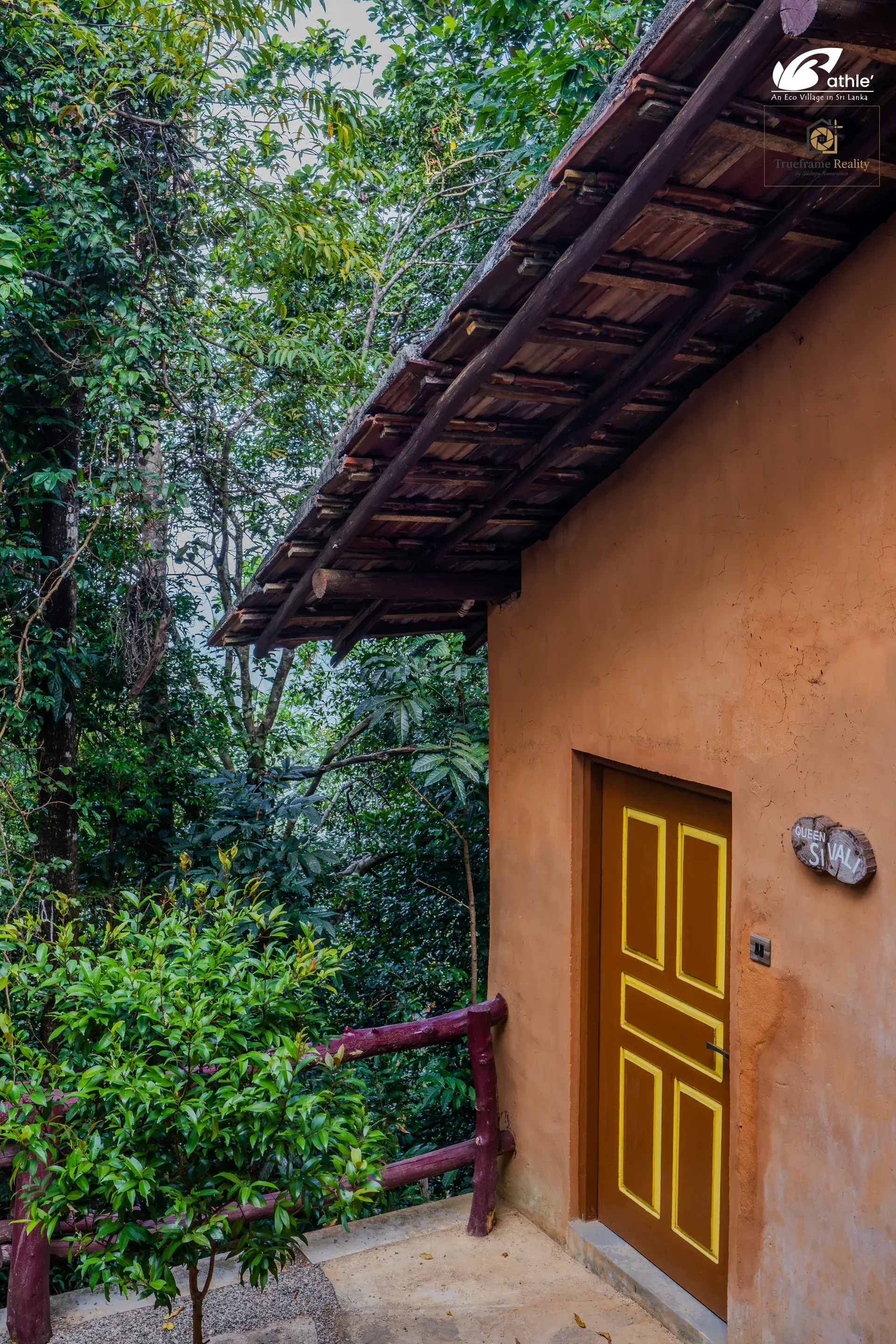
| Architecture | Architectural timber/glass villas, living roofs | Traditional Sri Lankan mud, wood, and thatch cabanas |
| Climate Control | Passive design + optional A/C or fans | Natural mud-wall thermal insulation & forest breeze |
| Dining Style | Multi-course wellness or fine dining | Home-cooked village rice & curry, farm-to-table produce |
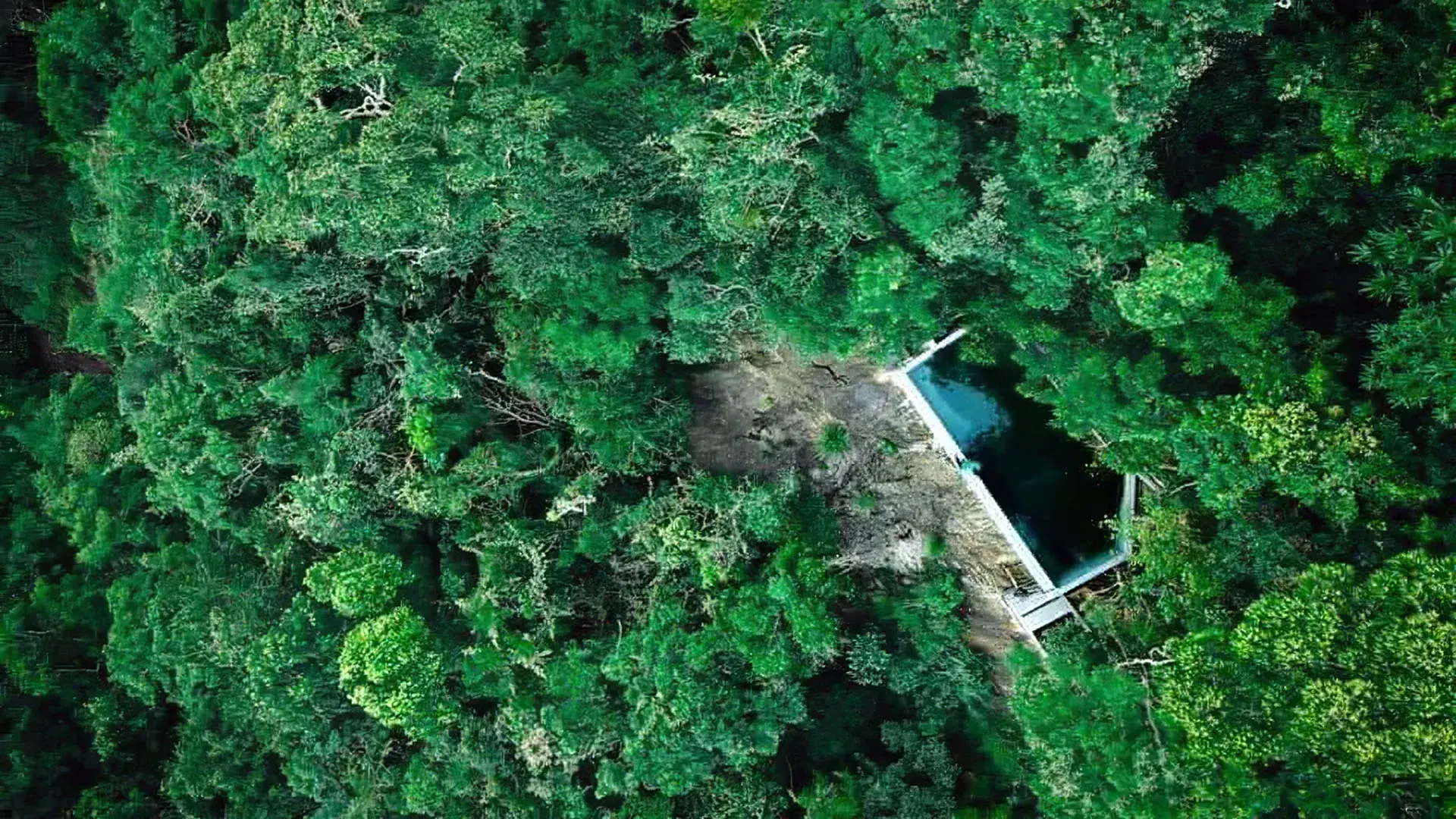
| Pool & Wellness | Full-service Ayurvedic spas, heated/lap pools | Natural spring-fed rock-bottom infinity pool & fish therapy |
| Best For | Honeymoons, spa sabbaticals, milestone trips | Hikers, families, slow travelers, authentic cultural stays |
When a Luxury Eco Resort Makes Sense
If your primary goal is a silent yoga sabbatical, clinical Ayurvedic treatments, or high-design architecture, Sri Lanka's luxury tier is exceptional. Properties like Santani Wellness Resort east of Kandy, Aarunya Nature Resort (featured by TIME), and Jetwing Vil Uyana in Sigiriya combine large restored estates with five-star service.
However, luxury eco resorts often insulate guests from everyday rural Sri Lanka—and their nightly rates can consume half of a two-week travel budget in just two nights.
Why Authentic Mud-House Cabanas Deliver Deeper Value
Traditional Sri Lankan mati gedara (mud-house) construction is one of the island's oldest forms of sustainable architecture. Thick clay walls absorb daytime heat and release cool air at night, while thatched roofs and timber framing breathe naturally with mountain breezes.
At Bathle Eco Resort in Hathgampola, Mawanella, you experience this heritage without giving up modern essentials:
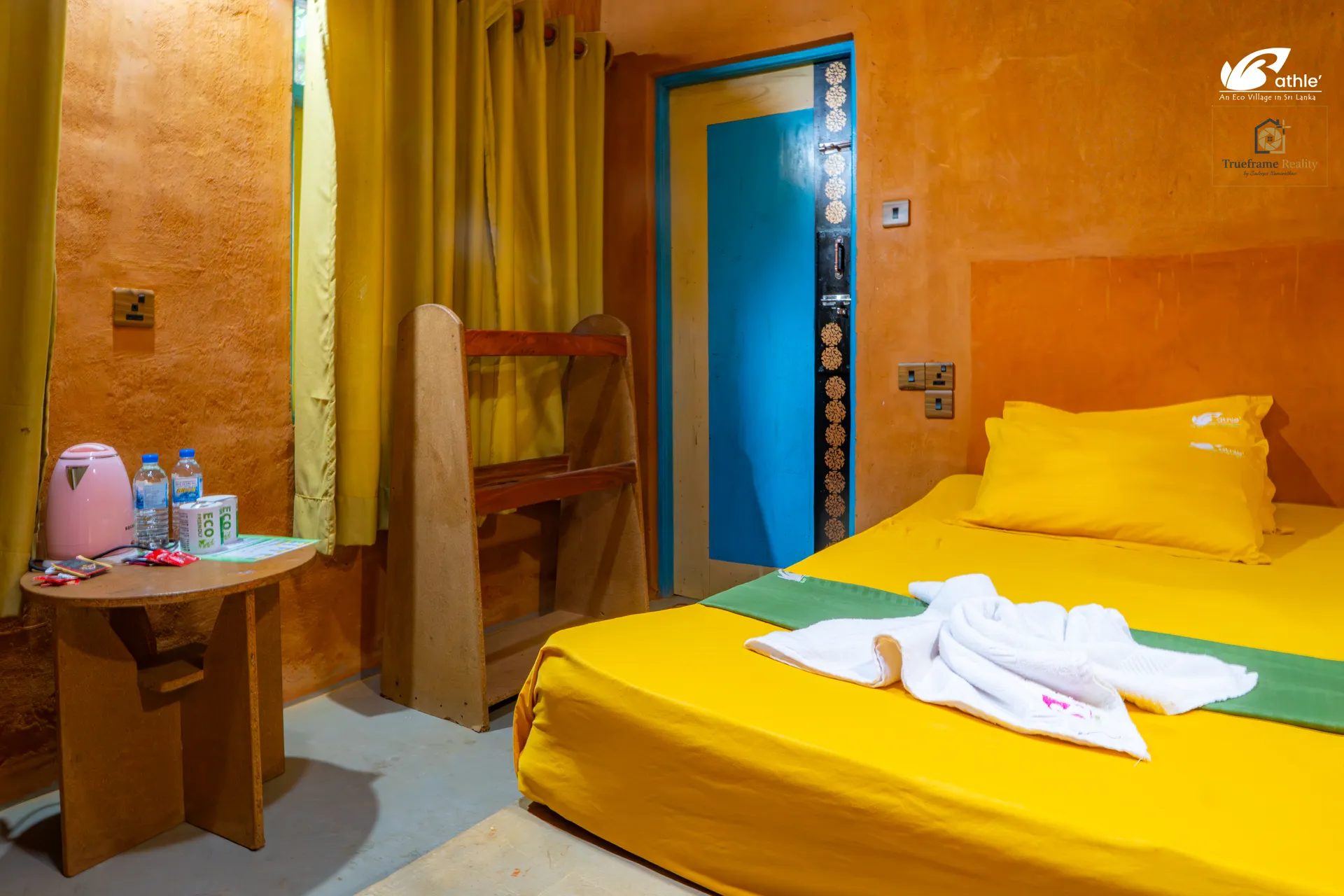
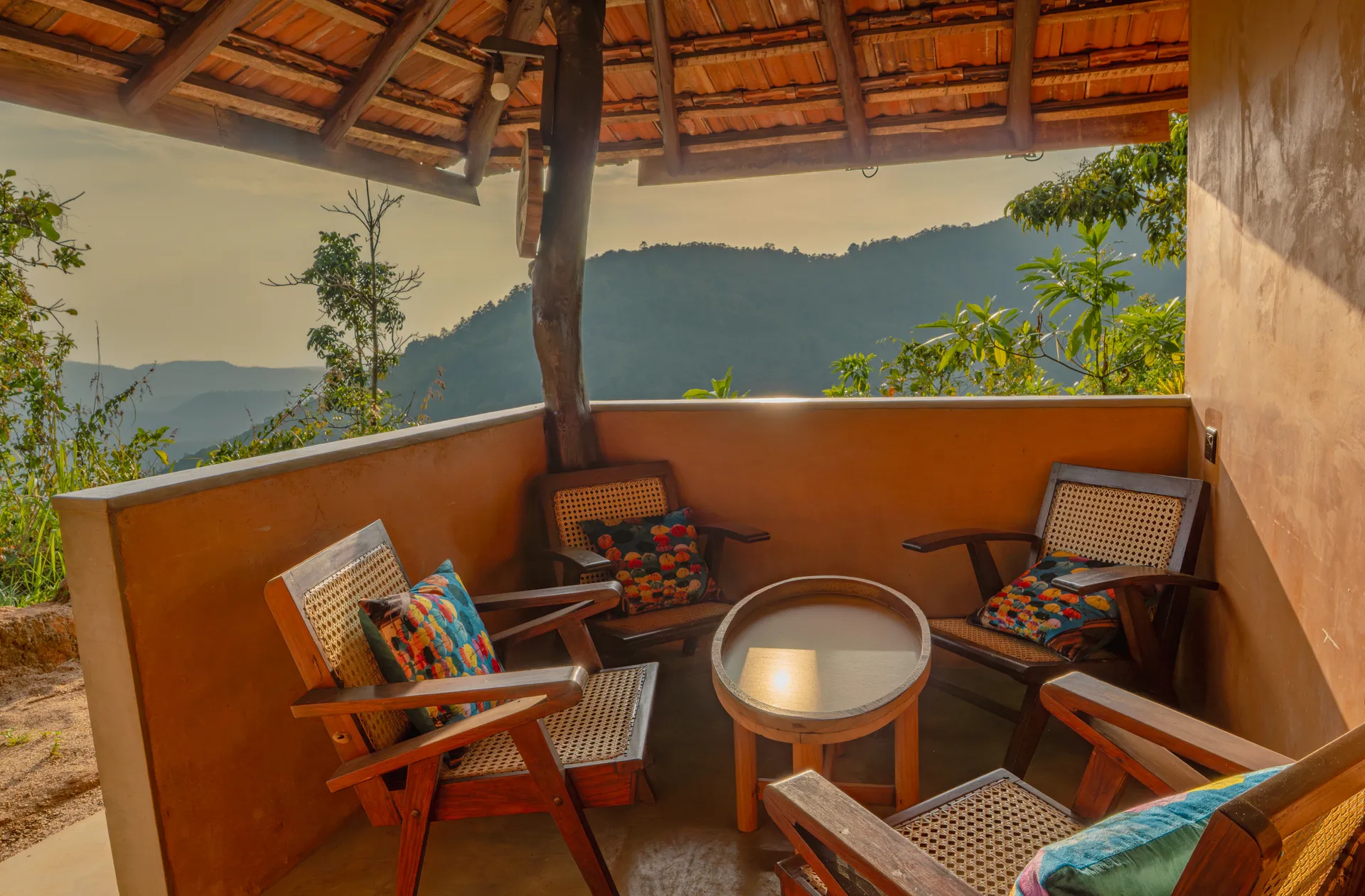
- Comfort Inside Tradition: Cabanas such as Queen Anula (2 guests) and Queen Wiharamahadewi (6 guests) feature deluxe mattresses, hot-water bathrooms, and private verandas overlooking the forest—while King Ravana VIP adds extra suite luxury with mountain peak views.
- Unfiltered Nature: Instead of manicured hotel lawns, you wake up to birdsong, mountain mist, and a 5-minute transfer to the Bible Rock (Bathalegala) trailhead.
- Direct Community Impact: Meals are prepared by village cooks using local greens, jackfruit, and kithul treacle, keeping your travel spend inside Hathgampola.
Can You Combine Both on One Sri Lanka Trip?
Yes—many smart itineraries pair 2 nights at an authentic mid-range eco resort like Bathle Eco Resort for hiking and village food, followed by 1–2 nights at a splurge property in Sigiriya or on the South Coast. You get the best of both worlds without overspending.
Frequently Asked Questions
Are mud-house eco resorts in Sri Lanka comfortable?
Yes. Modern mud-house cabanas at properties like Bathle Eco Resort combine naturally cooling clay-and-thatch walls with deluxe mattresses, private hot-water bathrooms, and forest-view verandas.
Do mud-house eco resorts need air conditioning?
In hill-country and foothill locations like Mawanella (35 km from Kandy), thick mud walls, forest shade, and cross-ventilation keep interiors naturally cool without A/C, dramatically lowering the resort's electricity footprint.
Which is more sustainable: a luxury eco resort or a local mud lodge?
Both can be sustainable if they follow core principles like solar power, rainwater harvesting, and local hiring—standards tracked under Sri Lanka's National Sustainable Tourism Certification (NSTC). Small mud lodges often have an even lower embodied-carbon footprint because they build with local earth and timber.
About the author
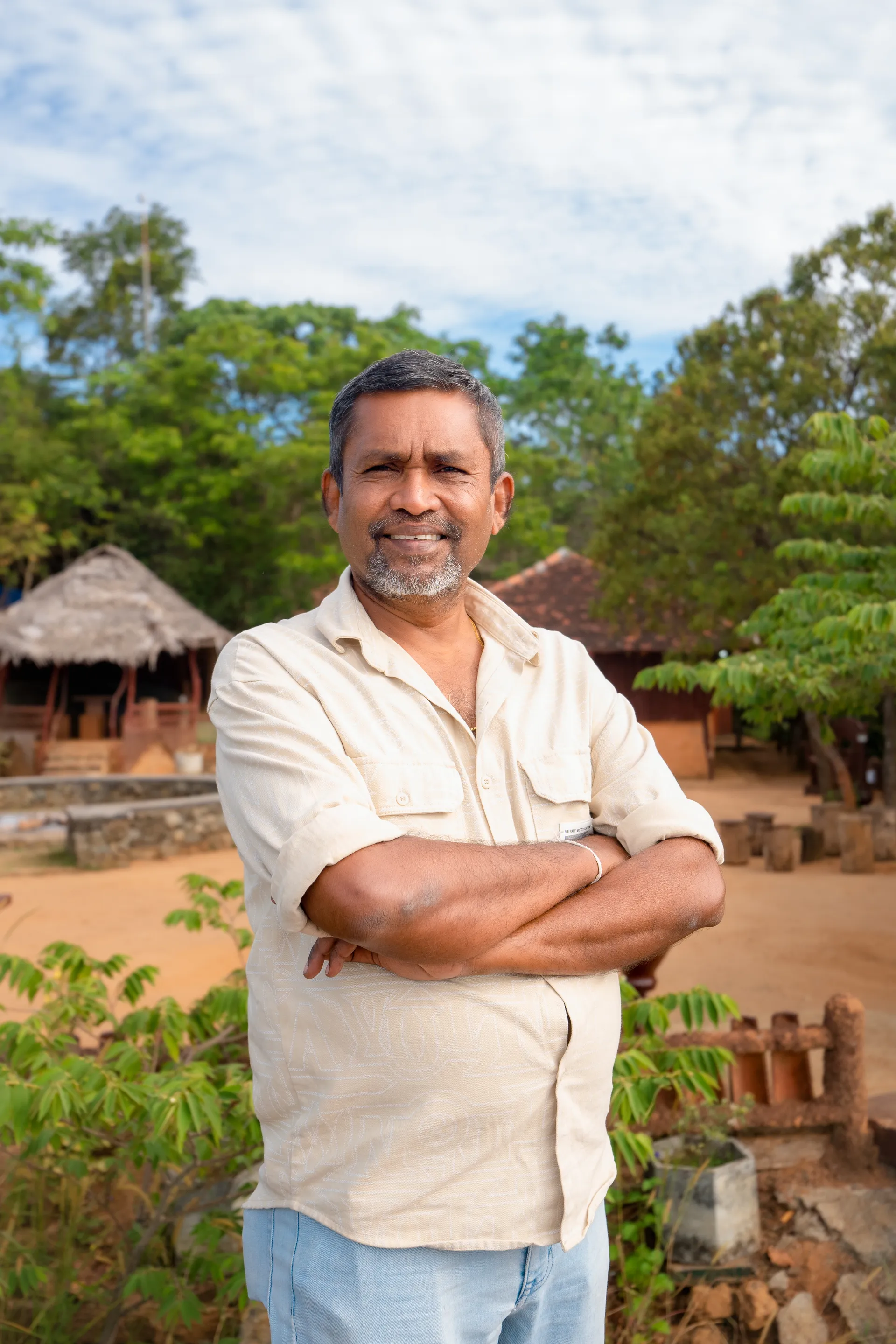
Founder of Bathle Eco Resort in Hathgampola, Mawanella, at the foot of Bible Rock (Bathalegala).
Plan Your Stay at Bathle Eco Resort
Stay at the closest eco resort to Bible Rock. Book a mud-house cabana, swim in our natural infinity pool and explore Sri Lanka's untouched wilderness.