Quick answer
Mawanella is one of Sri Lanka's two main spice-garden areas, along with Matale. Licensed gardens line the Colombo–Kandy road at places like Hingula and Anwarama. A typical visit is a free guided walk of 30–45 minutes past cinnamon, pepper, cardamom, cloves and nutmeg, often with a short herbal demonstration, ending at a shop. Go to learn, and compare prices before you buy.
| Key fact | Detail |
|---|---|
| Where | Along the A1 around Mawanella (Hingula, Anwarama, Utuwankanda) |
| Typical cost | The walk is usually free; you pay for anything you buy |
| Time needed | 30–45 minutes |
| What you see | Cinnamon, black pepper, cardamom, cloves, nutmeg and mace, vanilla, turmeric, Ayurvedic herbs |
| Best time | Open year-round; December–April is the driest |
| Good for | Families, first-time visitors, cooks, a short break on the Kandy drive |
Why is Mawanella known for spices?
Sri Lanka has traded spices for centuries, and the warm, wet foothills of Kegalle District suit pepper, cinnamon and clove trees. Travel guides note about 30 licensed spice gardens in the country, most of them in Matale and Mawanella. Mawanella's location on the Colombo–Kandy road makes it a natural stop for travellers heading in either direction.
What happens on a spice garden tour?
- Welcome. A guide meets you at the entrance, often with herbal tea.
- Garden walk. You see the plants growing: cinnamon bark being peeled, pepper vines on support trees, cardamom pods at the base of the plant, nutmeg fruit splitting to show the red mace.
- Demonstration. Some gardens show how cinnamon quills are rolled, or how Ayurvedic oils and pastes are made.
- Shop. The tour ends at a sales counter with spices, oils, balms and teas.
Which spices will you see?
| Spice | What to look for | How it's used in Sri Lanka |
|---|---|---|
| Ceylon cinnamon | Thin, papery quills peeled from young shoots | Curries, sweets, tea |
| Black pepper | Vines climbing shade trees, green to red berries | Almost every curry |
| Cardamom | Pods at the base of a leafy plant | Rice, tea, desserts |
| Cloves | Dried flower buds | Rice, meat curries, toothache remedies |
| Nutmeg and mace | Fruit that splits to show red mace around the seed | Sweets, curry powders |
| Turmeric | Orange root | Colour and flavour in curries |
| Vanilla | Green pods on a climbing orchid | Desserts |
How do you avoid overpaying?
Spice gardens are legitimate places to learn, but prices in the shop can be much higher than in a local market. Some drivers and guides earn a commission when you buy.
- Ask for prices per 100 g and compare them with a supermarket or the market in Mawanella or Kandy.
- Don't feel pressured to buy remedies or oils. A polite "just looking" is fine.
- Buy cinnamon as quills rather than powder, so you can see the quality.
- If you want a calmer visit, book through a tour operator or your hotel rather than turning up with a commission-paid driver.
Which spice gardens are near Mawanella?
Several gardens sit along the A1 around Mawanella, including gardens at Hingula and Anwarama and one near Utuwankanda. Opening hours and offerings vary. Most are easy to spot from the road and suit a quick stop.
When should you visit?
The gardens are open all year. December to April is the driest and most comfortable time to walk around. Mornings are cooler, and in the late morning you can combine a visit with Pinnawala's 10:00 am bath or a family weekend plan.
Taste the spices at the table
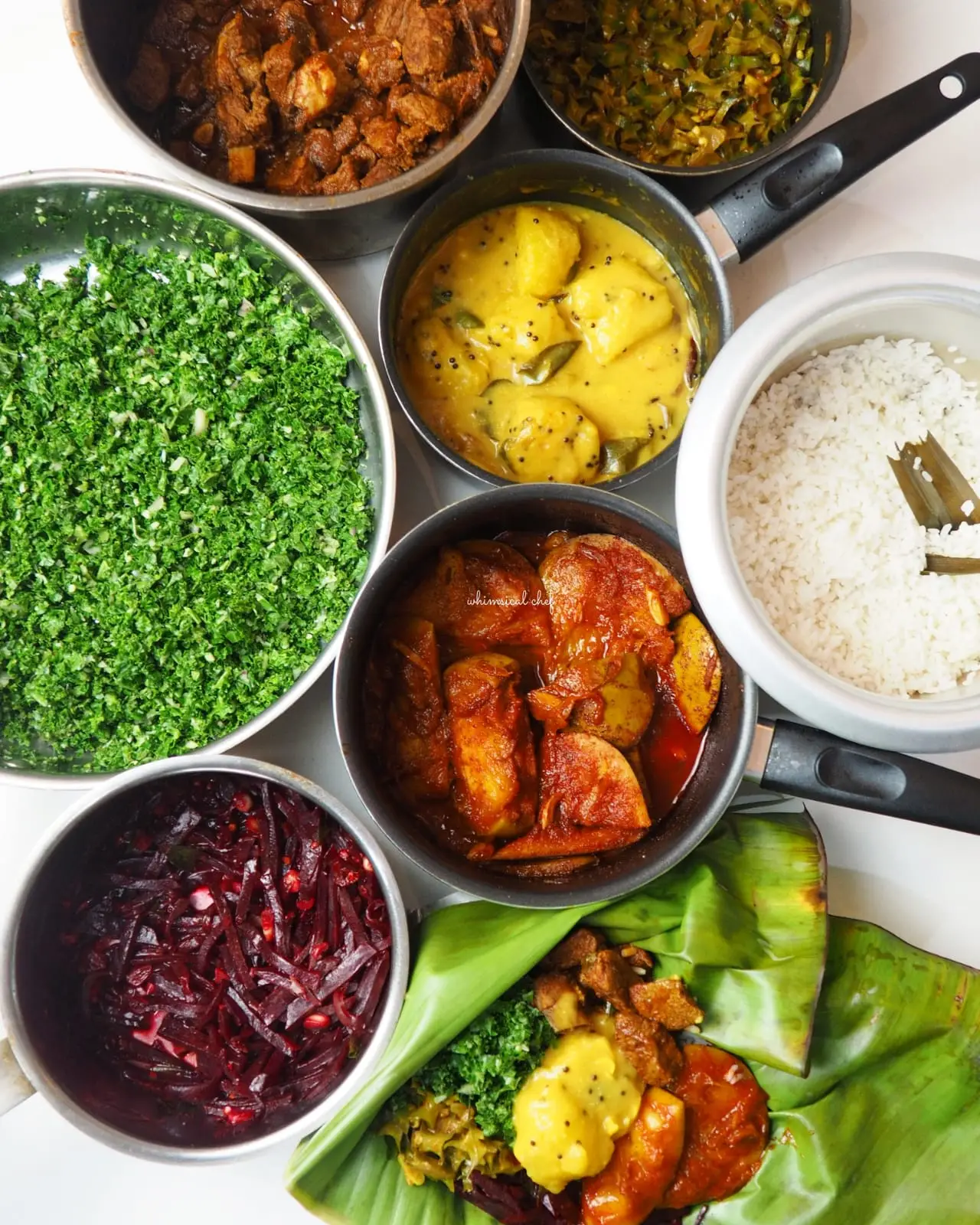
The best way to understand Sri Lankan spices is to eat them. At Bathle Eco Resort, spices from the area turn up in everyday rice and curry, and in tea. Read our Sri Lankan village food guide for what to try.
Frequently asked questions
Are spice gardens in Sri Lanka free?
The guided walk is usually free. You pay only for what you buy in the shop.
Where are the main spice gardens in Sri Lanka?
The largest clusters are around Matale, north of Kandy on the A9, and Mawanella, on the Colombo–Kandy road.
How long does a spice garden tour take?
About 30–45 minutes, including the shop.
What is Ceylon cinnamon?
Ceylon or "true" cinnamon comes from the inner bark of Cinnamomum verum, native to Sri Lanka. It is sold as thin, layered quills.
Is it worth visiting a spice garden?
Yes, if you go to learn and treat the shop as optional. It is an easy stop on the Colombo–Kandy road.
Spice country, right outside your door: Bathle Eco Resort, Kandumuduna, Hathgampola, Mawanella · +94 77 566 5536 · +94 76 667 3414 · Book your stay

About the author
Founder of Bathle Eco Resort in Hathgampola, Mawanella, at the foot of Bible Rock (Bathalegala).
Plan Your Stay at Bathle Eco Resort
Stay at the closest eco resort to Bible Rock. Book a mud-house cabana, swim in our natural infinity pool and explore Sri Lanka's untouched wilderness.