Quick answer
To choose a genuine eco resort near Kandy, check seven things: (1) independent sustainability certification, (2) visible water, energy and waste practices, (3) local staff and suppliers, (4) local, seasonal food, (5) a natural setting that is protected rather than cleared, (6) wildlife-friendly activities, and (7) a location that cuts down on driving. Properties 30–40 km outside Kandy, such as those around Mawanella, are often greener and quieter.
| # | What to check | Good sign | Warning sign |
|---|---|---|---|
| 1 | Certification | NSTC / GSTC-recognised badge you can verify | "Eco" in the name only |
| 2 | Water, energy, waste | Refill water, towel reuse, solar, composting | Plastic bottles in every room, AC everywhere |
| 3 | Local people | Village staff, local suppliers named | No information |
| 4 | Food | Seasonal Sri Lankan menus | Imported "international" buffet only |
| 5 | Setting | Trees kept, gardens, views | Land cleared for concrete |
| 6 | Activities | Hikes, village walks, observing wildlife | Animal rides, wildlife "selfies" |
| 7 | Location | Close to what you'll do | Hours of driving every day |
1. Is the resort certified?
In Sri Lanka, look for the National Sustainable Tourism Certification (NSTC) from the Sri Lanka Tourism Development Authority, or international labels that follow Global Sustainable Tourism Council (GSTC) criteria. Certification is the easiest way to separate real practice from marketing. If a property isn't certified, ask whether it is working toward it and what it measures.
2. Can you see the water, energy and waste practices?
Good eco properties make their practices visible: refill stations instead of plastic bottles, a sign explaining towel reuse, solar panels, compost bins, and rooms designed for natural airflow. If none of this is visible and staff can't explain it, treat the "eco" label with caution.
3. Does it employ and buy locally?
Tourism helps a region most when the money stays there. Ask how many staff come from nearby villages and where the vegetables, rice and spices come from. Local guides for hikes and village walks are another good sign.
4. Is the food local and seasonal?
A resort that serves red rice, jackfruit, gotukola and village-style curries is usually buying locally. Menus that cater for vegetarian, vegan and halal diets show a kitchen that cooks from scratch. See our guide to Sri Lankan village food.
5. Has the natural setting been protected?
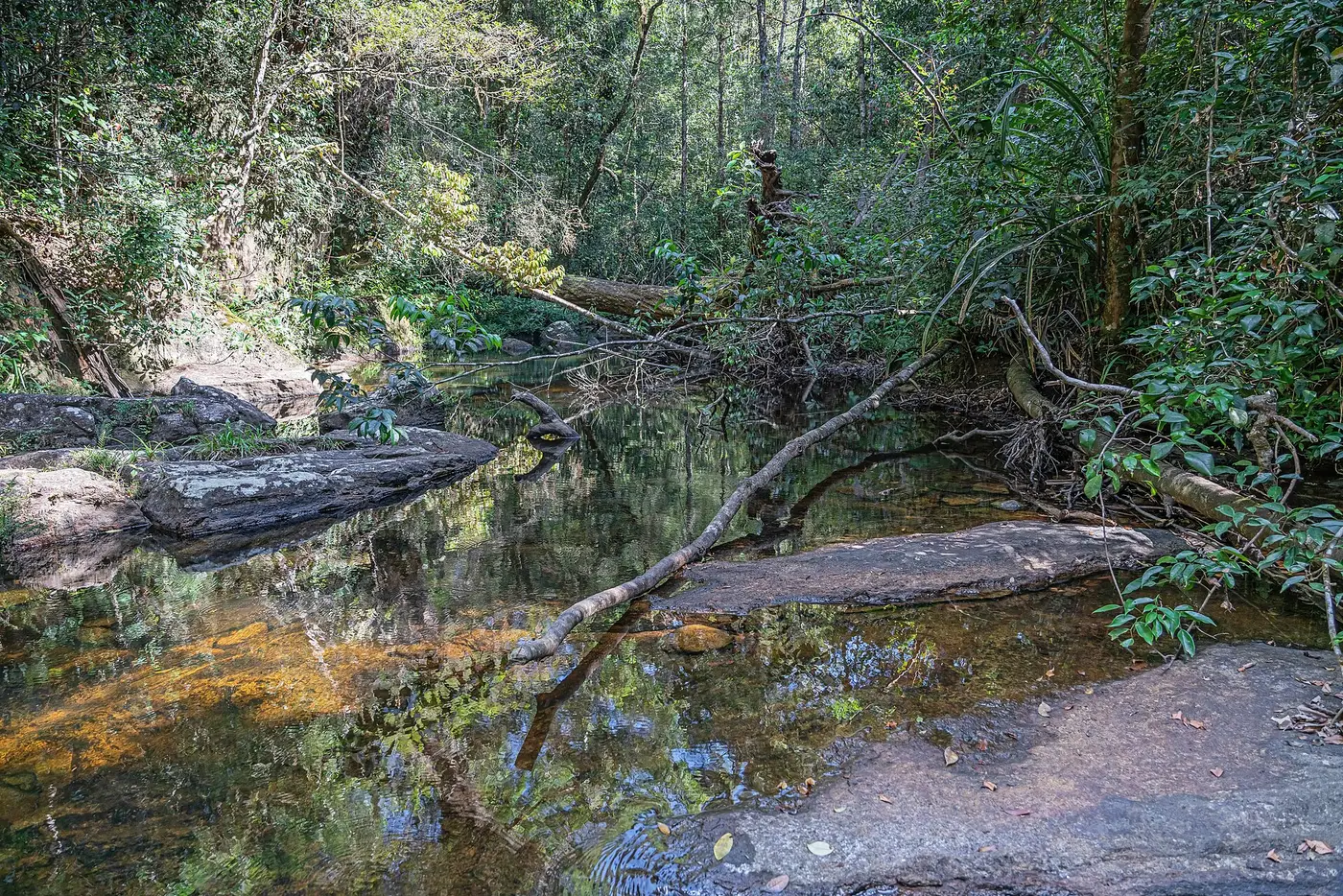
Look at the photos closely. Are mature trees still standing? Is there a garden, or just paving? Eco resorts near Kandy should fit into the hills, paddy fields and forest around them rather than replace them.
6. Are the activities wildlife-friendly?
Hiking, birdwatching, village walks, cooking classes and watching animals from a respectful distance are all good. Be wary of elephant rides, handling wild animals, or anything that disturbs wildlife for photos.
7. Is the location sensible?
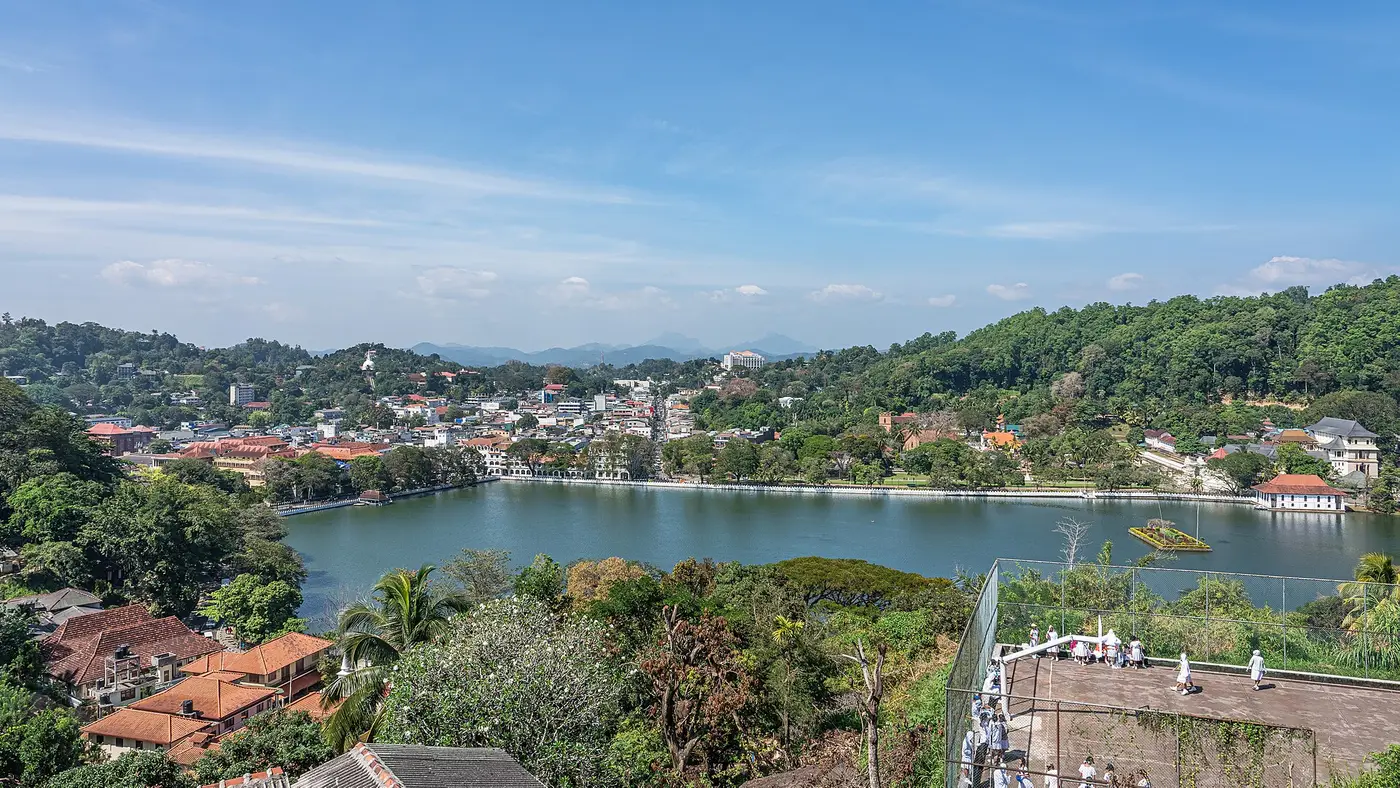
The greenest choice is often the one that cuts your driving. If you plan to see Kandy, Pinnawala, Bible Rock and Kadugannawa, a base in the Mawanella area puts all four within about an hour. Read where to stay between Colombo and Kandy.
Questions to ask before you book
- Are you certified under NSTC or another GSTC-recognised scheme?
- Do you provide refillable drinking water?
- How do you handle food waste and plastic?
- Where do your staff and ingredients come from?
- Which local experiences do you recommend?
How Bathle Eco Resort compares
Bathle Eco Resort is in Hathgampola, Mawanella, about 30–40 km from Kandy, below Bible Rock. It has garden surroundings, mountain views, a menu with vegetarian, vegan and halal options, and easy access to hikes and village walks. Read about our approach to being an eco resort, or compare 13 eco resorts in Sri Lanka by region and price.
Our own answers: the cabanas are traditional Sri Lankan mud houses built with natural materials and cooled by natural ventilation; we harvest rainwater, use solar power and work to minimise waste; the pool is filled with natural spring water; our team comes from Hathgampola and the surrounding villages; and meals are cooked from locally sourced, organic village produce. For experiences, we recommend guided Bible Rock hikes, nature walks, bird watching and bonfire nights.
Frequently asked questions
What is the best eco resort near Kandy?
The best one for you depends on your plans. Look for verified certification, local food and staff, a protected natural setting, and a location close to the places you want to see.
How far outside Kandy should I stay for a quieter trip?
Places 30–40 km away, such as the Mawanella area, are much quieter but still within about an hour of the city.
How can I check a resort's sustainability claims?
Ask for its certification and look it up with the certifying body. Ask specific questions about water, energy, waste and local hiring.
Are eco resorts near Kandy family-friendly?
Many are. Look for family rooms, a pool and nearby activities such as Pinnawala or easy hikes.
A greener base for Kandy: Bathle Eco Resort, Kandumuduna, Hathgampola, Mawanella · +94 77 566 5536 · +94 76 667 3414 · Book your stay
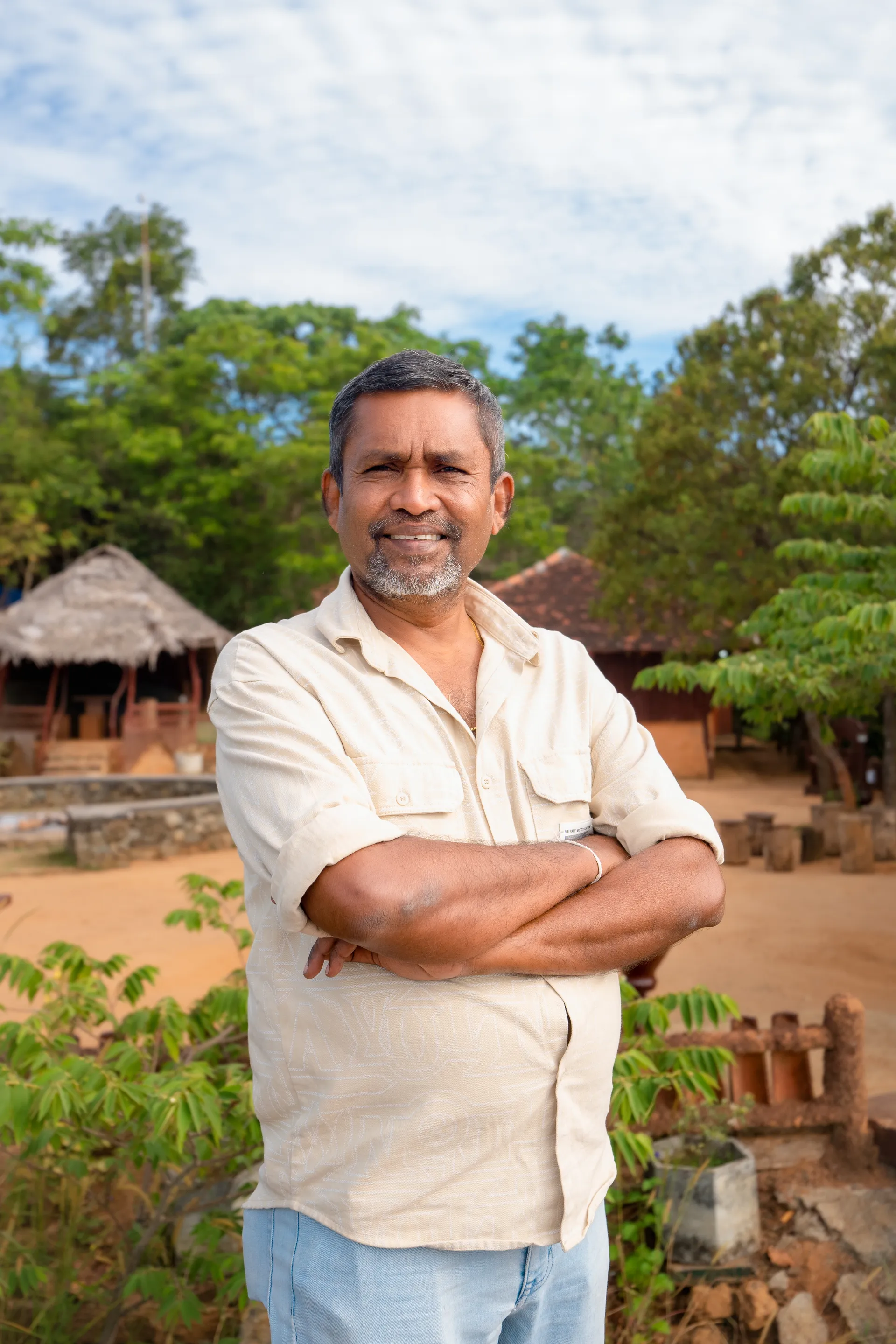
About the author
Founder of Bathle Eco Resort in Hathgampola, Mawanella, at the foot of Bible Rock (Bathalegala).
Plan Your Stay at Bathle Eco Resort
Stay at the closest eco resort to Bible Rock. Book a mud-house cabana, swim in our natural infinity pool and explore Sri Lanka's untouched wilderness.