Quick answer
An eco resort is a place to stay that is designed and run to reduce its impact on nature and to benefit the local community. In practice that means careful use of water, energy and waste, local food and local jobs, respect for wildlife and land, and being honest with guests about what it does. In Sri Lanka, the strongest proof is independent certification such as the SLTDA's National Sustainable Tourism Certification (NSTC).
| Pillar | What it means in practice |
|---|---|
| Environment | Saving water and energy, reducing waste and plastic, protecting trees and habitat |
| Community | Hiring and buying locally, fair pay, supporting village businesses |
| Culture | Local food, crafts and traditions shared respectfully |
| Guests | Nature-based experiences that don't harm wildlife |
| Honesty | Clear claims you can check, ideally backed by certification |
What is the definition of an eco resort?
There is no single legal definition, and that is the problem. The word "eco" is often used loosely, sometimes for nothing more than a garden and some green paint. A useful working definition is a property that measurably reduces its environmental footprint and shares the benefits of tourism with local people, and that can show you how.
Which practices actually matter?
1. Water
Water-saving fittings, reusing towels and linen on request, rainwater harvesting and treating wastewater properly.
2. Energy
Natural ventilation and shade instead of air-conditioning everywhere, efficient lighting, and solar power where possible.
3. Waste and plastic
Refillable water instead of single-use bottles, composting kitchen waste, and separating recyclables.
4. Land and wildlife
Keeping mature trees, planting native species, not feeding wild animals, and keeping night lighting low.
5. People and food
Local staff, produce from nearby farms and markets, and menus built on seasonal Sri Lankan ingredients.
Is there an eco certification in Sri Lanka?
Yes. The Sri Lanka Tourism Development Authority (SLTDA) runs the National Sustainable Tourism Certification (NSTC), developed with UNDP's BIOFIN programme and guided by the Global Sustainable Tourism Council (GSTC). It was piloted in 2019 with 37 hotels, and 100 small and medium tourism businesses received the certification at the 2025 awards. The SLTDA works with the GSTC-accredited body Green Destinations on the process. When a property says it is "eco", certification of this kind is the clearest independent evidence.
Why does "eco" matter for travellers?
The SLTDA reports that many international visitors are willing to pay more for providers that meet internationally accepted sustainability criteria. Staying somewhere that is genuinely sustainable also tends to mean better food, quieter surroundings and a closer connection to the place you came to see.
How Bathle approaches being an eco resort
Bathle Eco Resort sits in the village of Hathgampola, below Bible Rock, among gardens and hill views rather than concrete. Our approach starts with what is already here: the landscape, the village and the food.
- Built from the land. Our cabanas are traditional Sri Lankan mud houses made from natural materials such as mud and timber, and they are cooled by natural ventilation and forest air.
- Water and energy. We harvest rainwater and use solar power, and our rock-bottom infinity pool is filled with natural spring water.
- Less waste. We work to minimise waste across the resort.
- Local people. Our team comes from Hathgampola and the surrounding villages, so your stay supports the community directly.
- Nature first. A garden setting with mountain views, close to forest trails on Bible Rock and Utuwankanda.
- Local food. Menus built on Sri Lankan rice and curry and locally sourced, organic village produce, with vegetarian, vegan and halal options.
- Local experiences. Guests are pointed to village walks, spice gardens and the area's history rather than generic activities. See things to do around Mawanella.
We'd rather tell you exactly what we do, and what we are still working on, than make claims we can't back up. Ask us anything at check-in.
How can you tell if a resort is really eco?
Use our checklist: 7 things to look for when choosing an eco resort near Kandy. To see how real places measure up, read our comparison of the best eco resorts in Sri Lanka.
Frequently asked questions
What is the difference between an eco resort and a normal resort?
An eco resort is designed and run to cut its environmental impact and to benefit local people, and it can show the evidence. A normal resort may not track or report these things.
Does Sri Lanka have a sustainable tourism certification?
Yes. The SLTDA runs the National Sustainable Tourism Certification (NSTC), in partnership with UNDP and aligned with GSTC criteria.
Are eco resorts more expensive?
Not necessarily. Many smaller eco properties cost about the same as a standard hotel, and some travellers are happy to pay a little more for verified sustainability.
Are eco resorts comfortable?
Yes. "Eco" does not have to mean basic. It means comfort delivered with less waste and more local benefit.
Stay close to nature: Bathle Eco Resort, Kandumuduna, Hathgampola, Mawanella · +94 77 566 5536 · +94 76 667 3414 · Book your stay
About the author
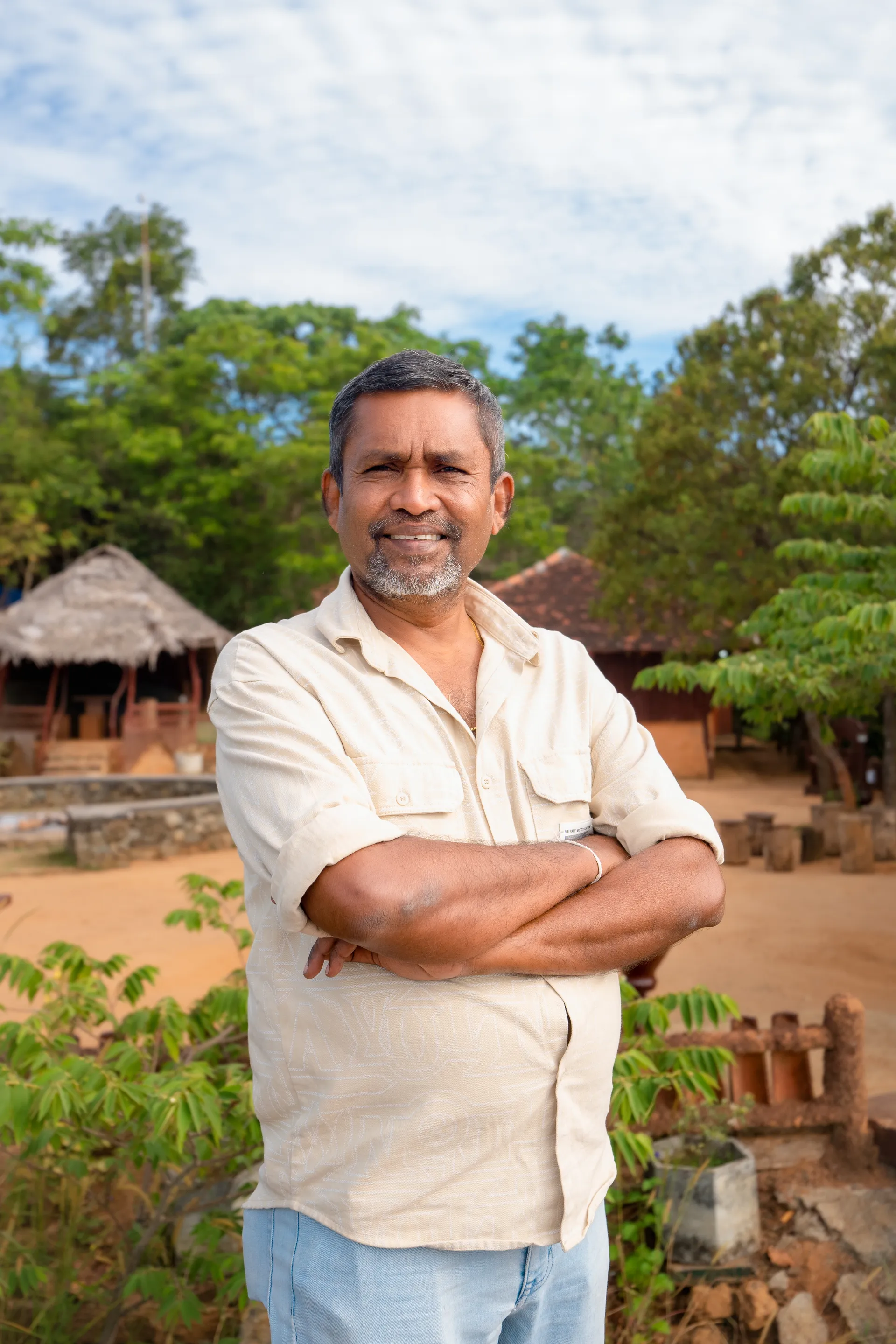
Founder of Bathle Eco Resort in Hathgampola, Mawanella, at the foot of Bible Rock (Bathalegala).
Plan Your Stay at Bathle Eco Resort
Stay at the closest eco resort to Bible Rock. Book a mud-house cabana, swim in our natural infinity pool and explore Sri Lanka's untouched wilderness.