Quick answer
To avoid greenwashing when booking eco resorts in Sri Lanka, verify eight concrete signals: natural or reclaimed building materials, solar or renewable power, rainwater or spring-water stewardship, plastic-free dining, local village staffing, habitat protection, guided nature education, and independent recognition such as Sri Lanka's NSTC certification.
Because "eco" is not a legally restricted hotel label everywhere, almost any countryside guesthouse with a few palm trees can call itself an eco resort on booking platforms. That makes it harder for conscientious travelers to find genuine eco resorts in Sri Lanka.
Before you book, run any property through these eight quick verification questions.
8 Questions That Expose Greenwashing
| # | Question to Ask the Resort | Genuine Eco Standard | Red Flag (Greenwashing) |
|---|---|---|---|
| 1 | What are the rooms built from? | Mud, timber, thatch, or reclaimed materials (Bathle Eco Resort) | Freshly cleared concrete block with synthetic cladding |
| 2 | How are rooms cooled? | Passive cross-ventilation, shade & mud insulation | Sealed glass boxes running A/C 24/7 |
| 3 | Where does electricity come from? | Solar panels / hybrid renewables | 100% diesel generator or heavy grid draw |
| 4 | How is water sourced and treated? | Rainwater harvesting, spring water, bio-treatment | Excessive lawn sprinklers & heavy pool chlorine |
| 5 | Are single-use plastics banned? | Refillable glass/steel water stations, clay or leaf serving | Piles of mini plastic water bottles & toiletries |
| 6 | Who works at the resort? | Staff hired & trained from neighboring villages | Imported outside staff with zero community ties |
| 7 | Where does the food come from? | Village farms & on-site gardens | Packaged imported buffet items |
| 8 | Do they protect local habitat? | Native trees, wildlife corridors, guided eco treks | Cleared forest replaced with ornamental turf |
Why Transparency Matters More Than Luxury Price Tags
A resort does not need a US$500 nightly rate to pass this test. Small, independently run properties—such as Bathle Eco Resort in Mawanella or Polwaththa Eco Lodges in Digana—publish clear details about their mud-house construction, rainwater harvesting, solar power, and village-sourced kitchens.
Likewise, Sri Lanka Tourism Development Authority (SLTDA) and UNDP continue expanding the National Sustainable Tourism Certification (NSTC) to recognize hotels and SMEs meeting verified environmental criteria.
For Kandy-region travelers specifically, pair this checklist with our guide on 7 things to check when choosing an eco resort near Kandy.
Frequently Asked Questions
What is greenwashing in Sri Lanka's hotel industry?
Greenwashing happens when a property uses words like "eco," "green," or "nature resort" in its name or marketing while relying on concrete buildings, single-use plastics, heavy air conditioning, and zero community or conservation investment.
How can I check if a Sri Lanka eco resort is legitimate before booking?
Read the resort's sustainability page or blog, check recent guest reviews for mentions of mud/natural materials and plastic-free water refills, and message the property directly to ask about solar power, water sourcing, and local guides.
Are certified eco resorts in Sri Lanka better?
Certifications like Sri Lanka's NSTC, LEED, or Travelife provide strong third-party verification, especially for larger hotels—while small village eco lodges often demonstrate their commitment directly through transparent operations and local community hiring.
About the author
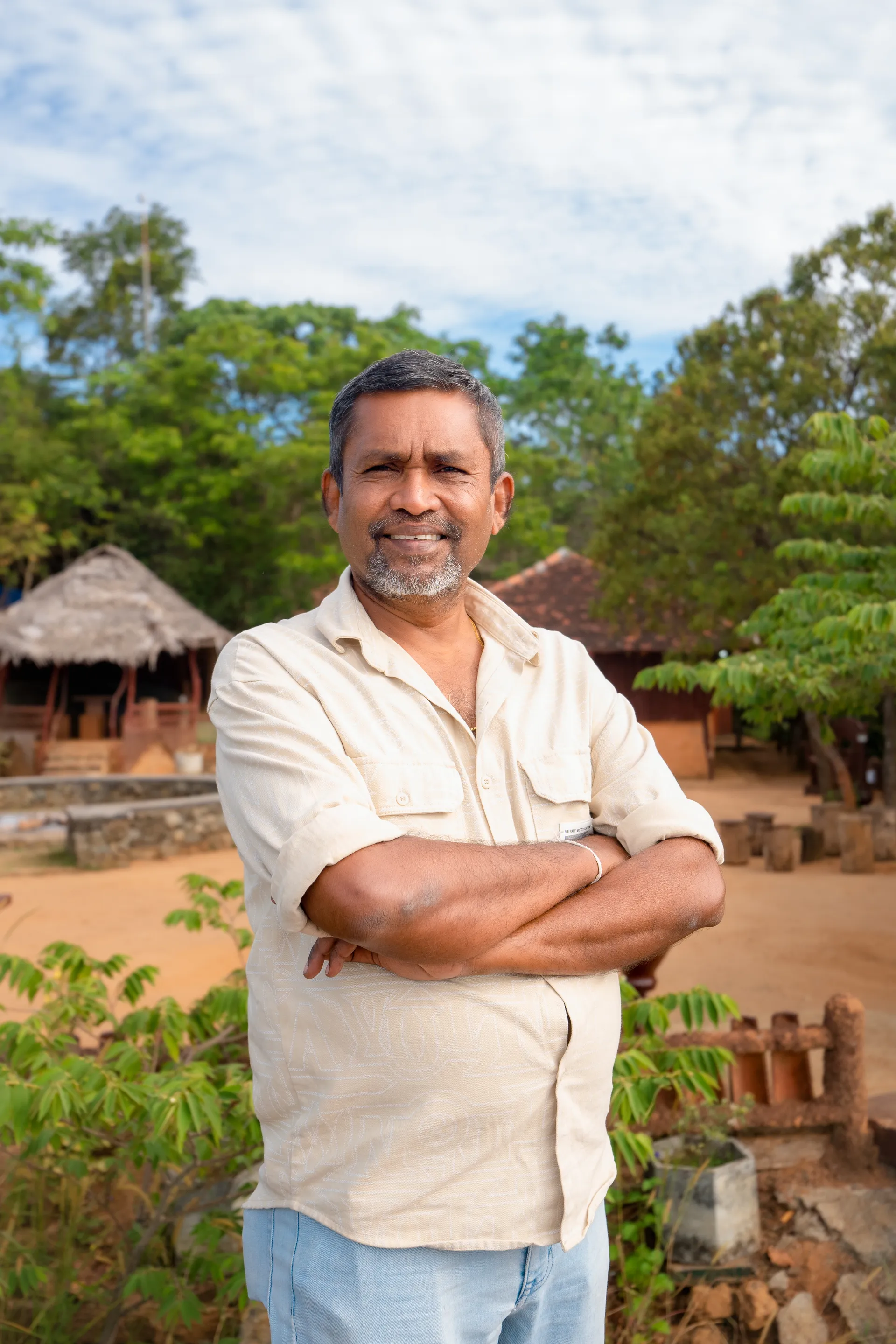
Founder of Bathle Eco Resort in Hathgampola, Mawanella, at the foot of Bible Rock (Bathalegala).
Plan Your Stay at Bathle Eco Resort
Stay at the closest eco resort to Bible Rock. Book a mud-house cabana, swim in our natural infinity pool and explore Sri Lanka's untouched wilderness.