Quick answer
Genuine eco resorts in Sri Lanka back their green branding with measurable infrastructure: solar electricity, rainwater harvesting, natural spring-water protection, zero-plastic policies, and passive cooling architecture. Properties like Bathle Eco Resort, Jetwing Vil Uyana, and Ulagalla by Uga align with national goals championed by the SLTDA Sustainable Tourism program.
As sustainable travel grows globally, travelers are looking past scenic Instagram photos to ask a harder question: How does this resort actually manage its energy, water, and waste?
In Sri Lanka—where monsoon rains, tropical sun, and dense rural communities intersect—the smartest eco resorts in Sri Lanka turn local climate into clean infrastructure.
Core Sustainability Systems at Leading Sri Lanka Eco Resorts
| Eco System | How It Works on Site | Real-World Examples in Sri Lanka |
|---|---|---|
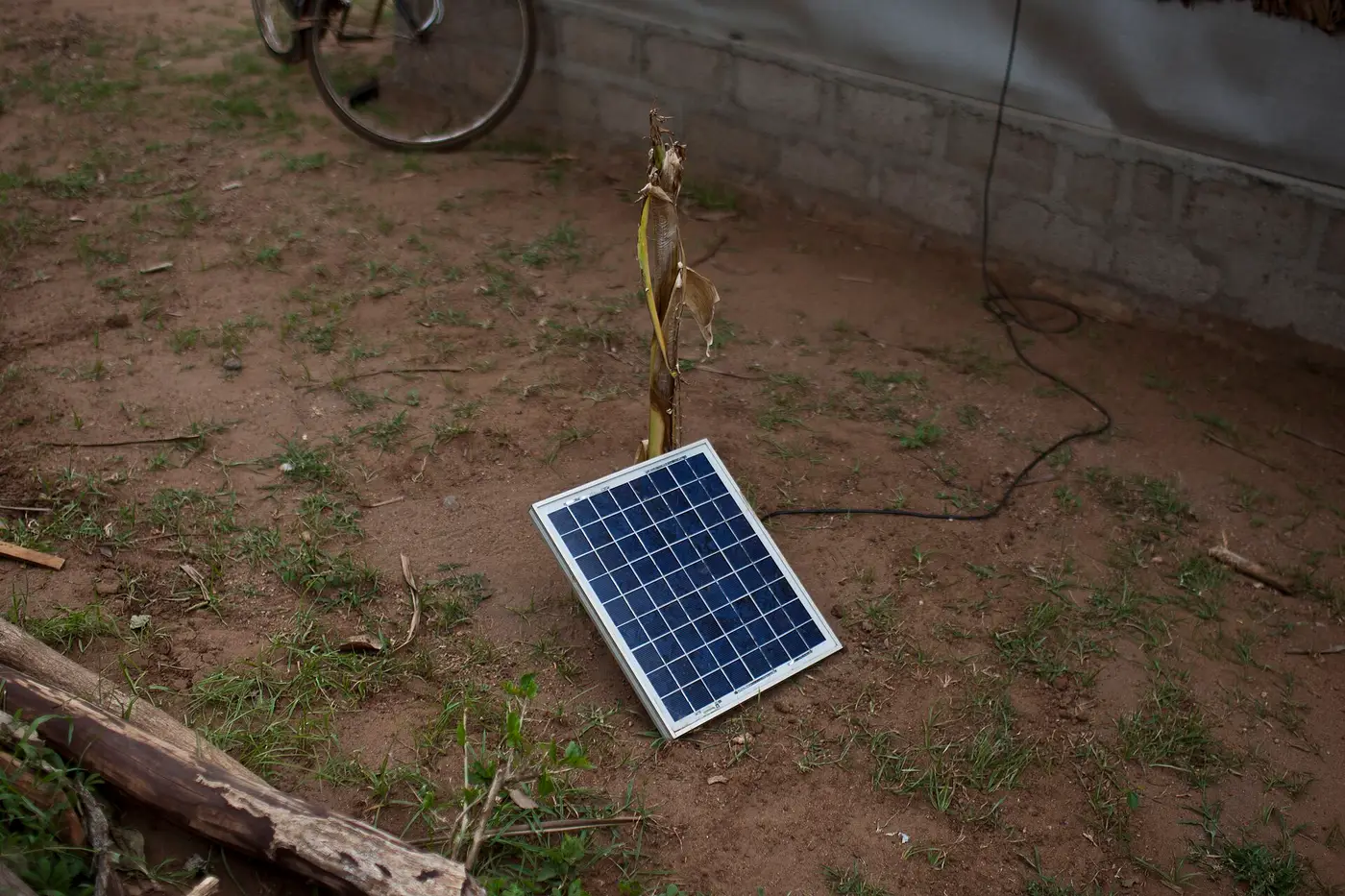
| Solar Electricity | Rooftop or ground-mounted PV panels power lighting, fans, and hot water | Bathle Eco Resort, Ulagalla (approx. 50% solar), Santani, Jetwing Vil Uyana |
| Rainwater Harvesting & Spring Protection | Captures monsoon runoff for gardens/utility while preserving natural springs | Bathle Eco Resort (Mawanella), Polwaththa Eco Lodges (Digana), Gal Oya Lodge |
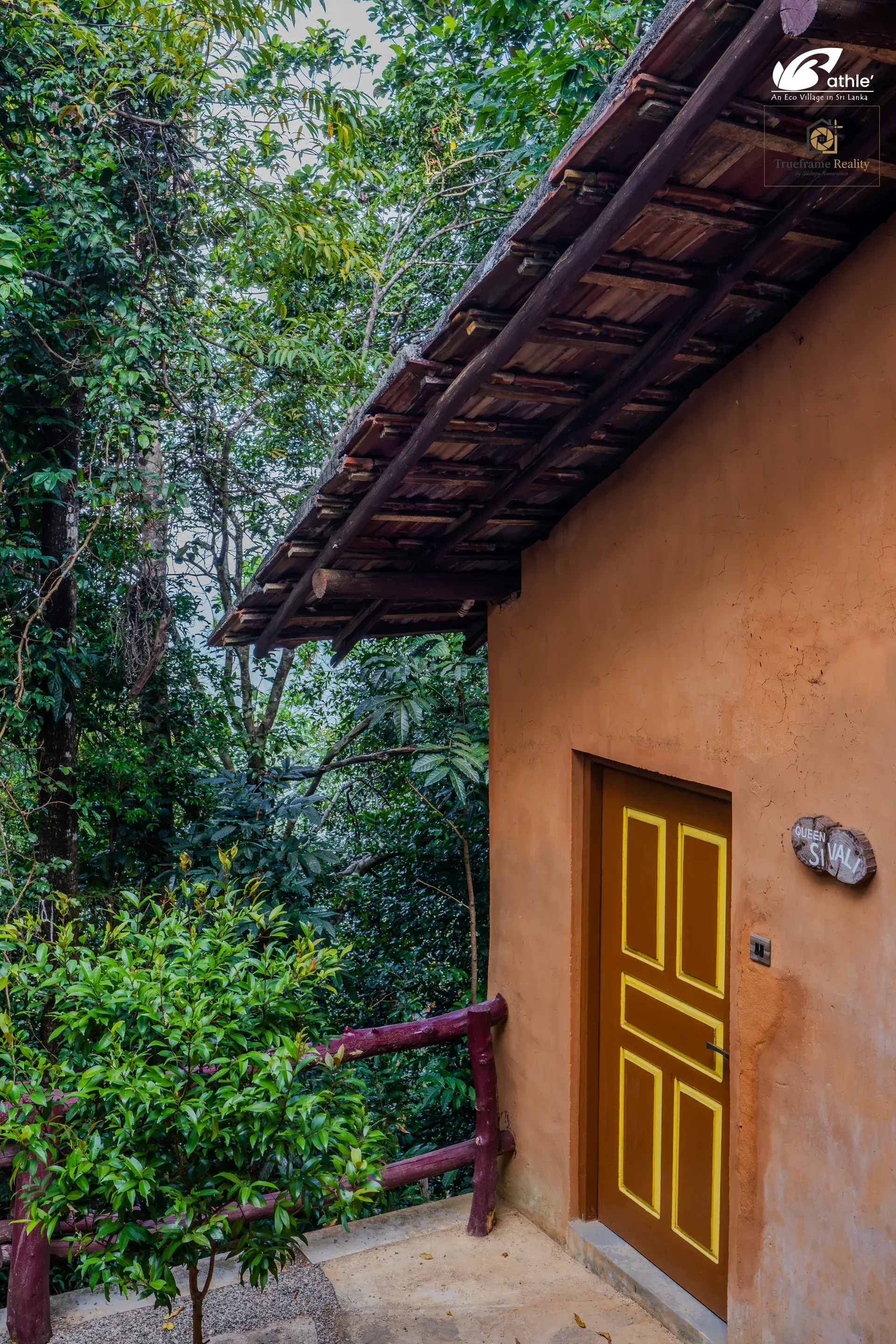
| Passive Cooling Architecture | Mud, timber, thatch, or open-air layouts eliminate A/C demand | Bathle Eco Resort mud cabanas, Santani reclaimed-wood design, Saraii Village |
| Zero-Waste & Composting | Eliminates single-use plastic bottles; turns kitchen scraps into garden compost | Bathle Eco Resort, Gal Oya Lodge (no-plastic-bottle policy) |
| Local Village Supply Chains | Employs nearby villagers and buys organic produce within walking distance | Bathle Eco Resort (Hathgampola), The Rainforest Ecolodge (Deniyaya) |
How Bathle Eco Resort Implements Low-Impact Operations
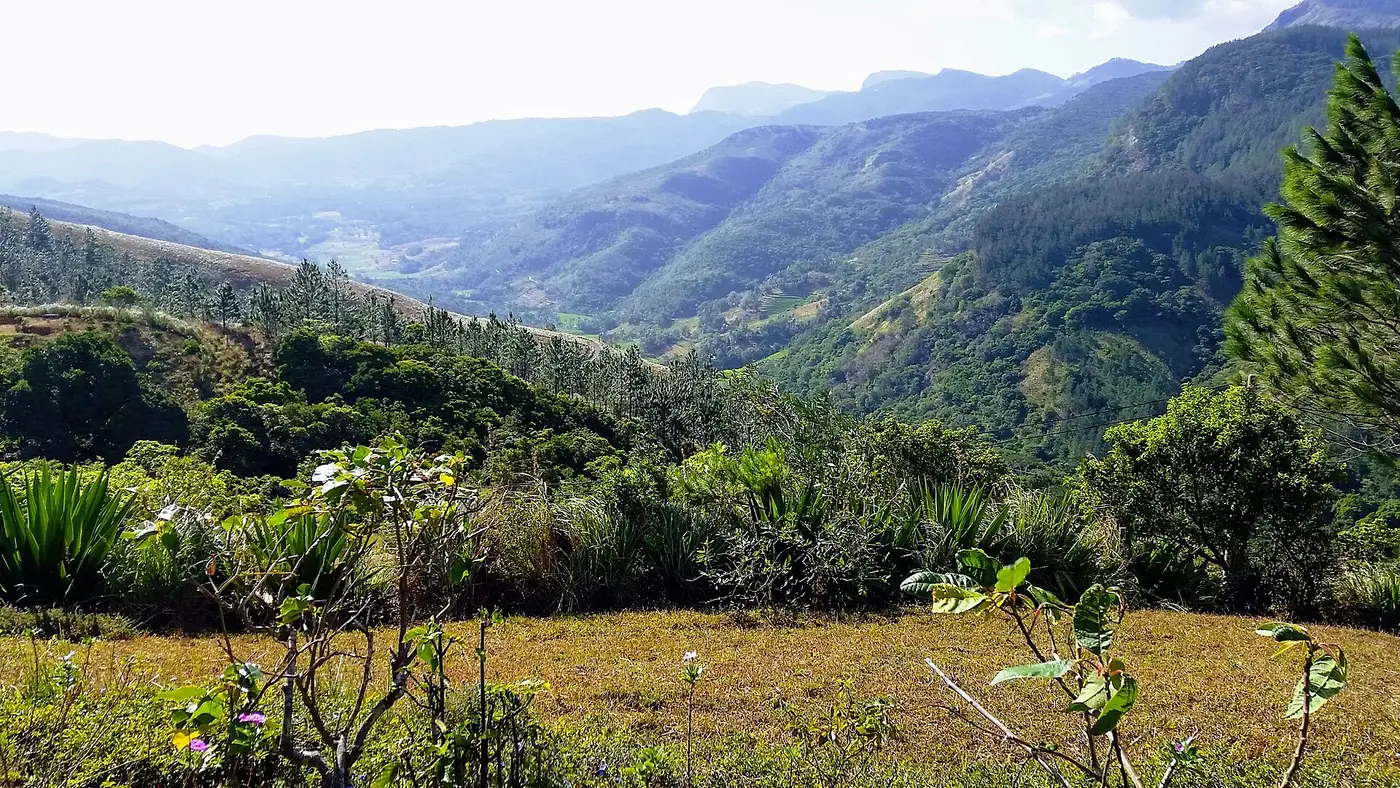
Set in Hathgampola, Mawanella—at the edge of the Bible Rock mountain ecosystem—Bathle Eco Resort was designed so the forest remains intact around the cabanas:
- Solar Energy + Passive Cooling: Instead of running energy-hungry air conditioners in every room, mud-and-thatch cabanas stay cool naturally, allowing solar power to cover resort lighting and daily operations.
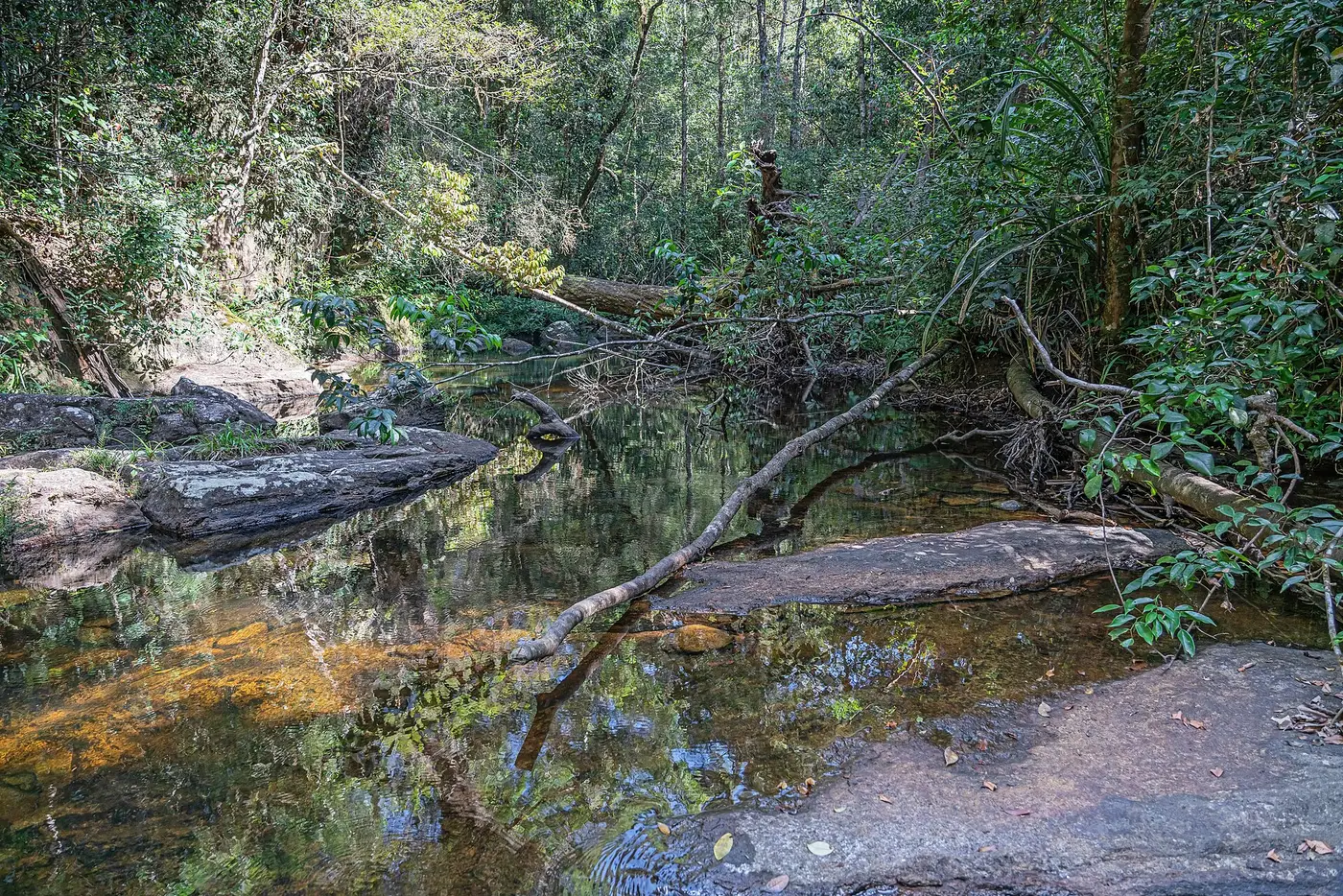
- Rainwater Harvesting & Spring Stewardship: Collecting rainwater reduces pressure on village groundwater, while the resort's infinity pool draws directly from natural spring water without chemical overload.
- Zero-Waste Kitchen & Local Sourcing: Meals are cooked fresh to order using vegetables, jackfruit, and greens grown in Hathgampola rather than packaged buffet imports.
- Community-First Staffing: Guides, cooks, and caretakers come from Hathgampola and neighboring villages, ensuring tourism revenue stays in Sabaragamuwa Province.
For a transparent look at our standards, read What Makes an Eco Resort Truly "Eco"?.
Sri Lanka's National Sustainable Tourism Certification (NSTC)
Travelers who want third-party benchmarks can look for Sri Lanka's National Sustainable Tourism Certification (NSTC), developed jointly by the Sri Lanka Tourism Development Authority (SLTDA) and UNDP Sri Lanka. The framework evaluates water conservation, energy efficiency, biodiversity protection, and local community impact across hotels and SMEs nationwide.
Frequently Asked Questions
Do eco resorts in Sri Lanka have reliable electricity and hot water?
Yes. Resorts using solar power paired with grid backup—such as Bathle Eco Resort—provide reliable lighting, Wi-Fi, device charging, and hot-water showers in every cabana.
How can guests reduce their own footprint at an eco resort?
Bring a reusable water bottle, pack out any trail litter when hiking places like Bible Rock, respect quiet hours so wildlife is undisturbed, and dine on locally grown village meals.
Why is rainwater harvesting important for Sri Lanka eco resorts?
Sri Lanka receives heavy seasonal rainfall followed by dry months. Harvesting rainwater during wet periods keeps gardens lush and reduces strain on rural village wells during dry seasons.
About the author
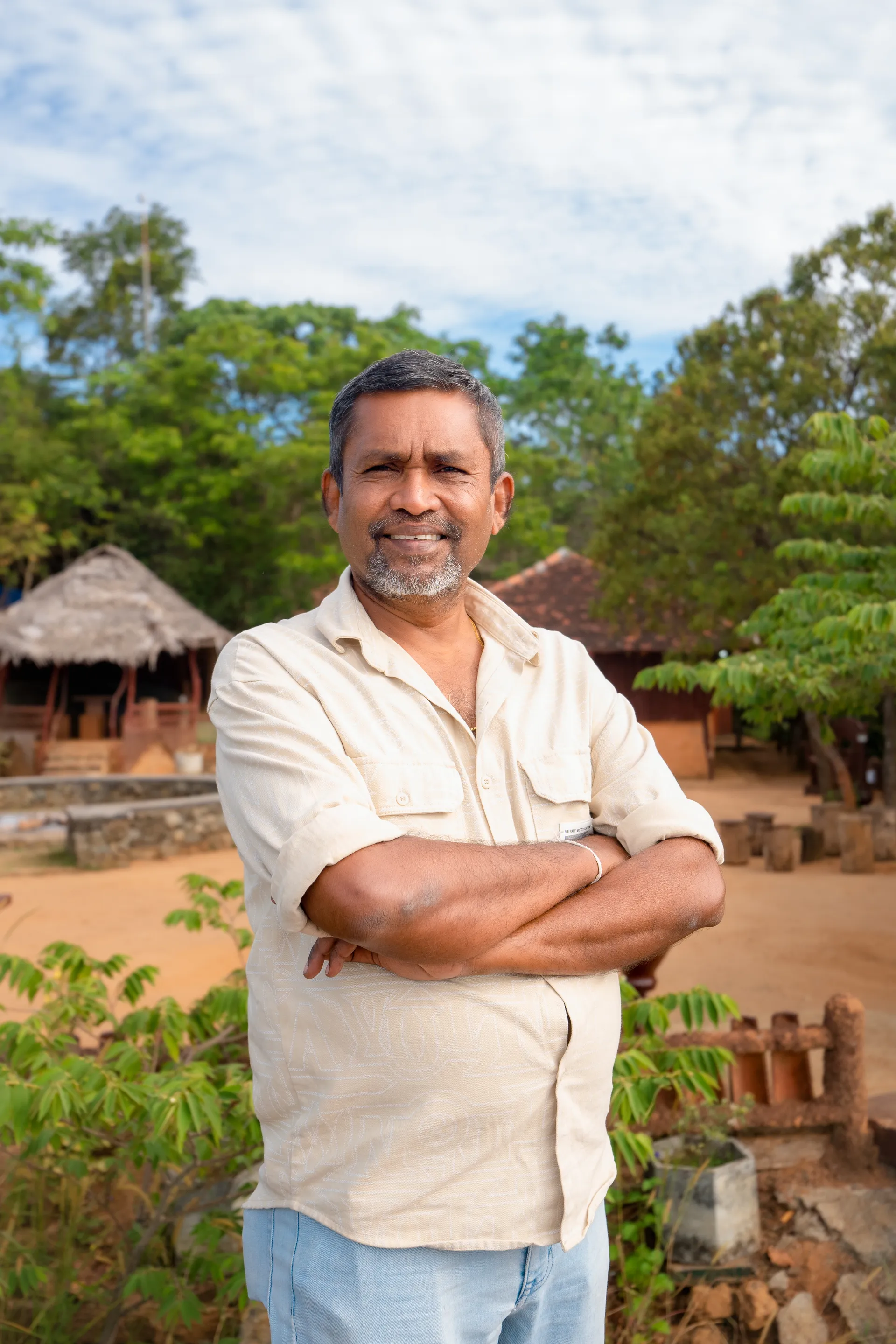
Founder of Bathle Eco Resort in Hathgampola, Mawanella, at the foot of Bible Rock (Bathalegala).
Plan Your Stay at Bathle Eco Resort
Stay at the closest eco resort to Bible Rock. Book a mud-house cabana, swim in our natural infinity pool and explore Sri Lanka's untouched wilderness.